
When is Buergbrennen 2026?
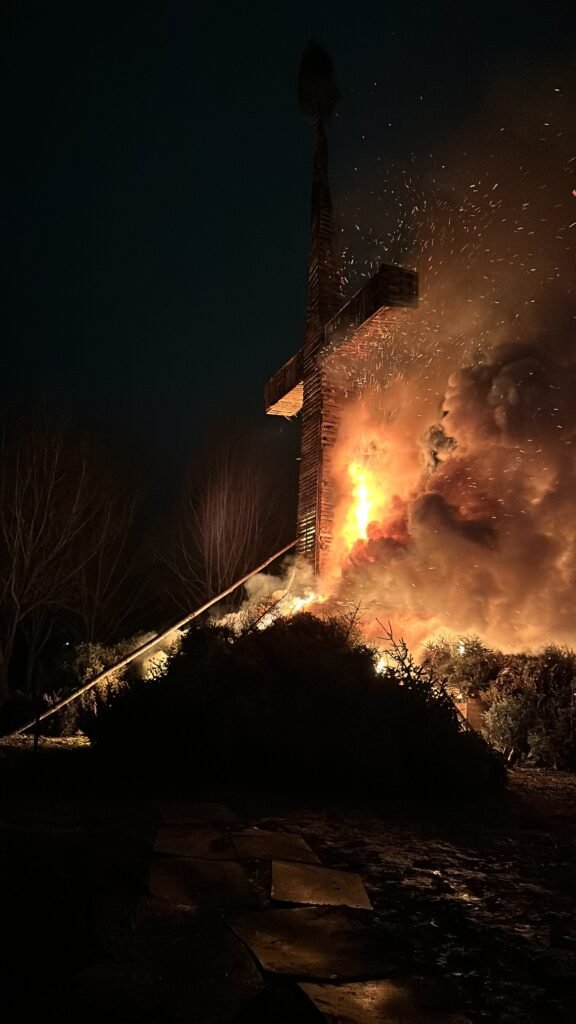
Buergbrennen 2026 will ignite across Luxembourg on 21–22 February 2026, marking the end of winter with a spectacle of fire, food, and community. Known locally as Buergsonndeg (Bonfire Sunday), this centuries-old festival blends pagan fire rituals with Christian Lent traditions, creating one of Europe’s most unique spring celebrations.
Key Facts at a Glance
- When: 21–22 February 2026 (first Sunday after Carnival Sunday/ first Sunday in Lent)
- Where: 75% of Luxembourg’s villages, with major celebrations in Walferdange, Luxembourg City and other cities.
- What to expect: Giant bonfires (Buerg), torchlight processions (Fakelzuch), traditional food, and live music
- Origins: Pagan spring equinox rituals (Celtic/Gallo-Roman) later adopted by the Christian Church
The History of Buergbrennen: From Pagan Rites to Modern Revival
Ancient Pagan Origins (Pre-5th Century)
The tradition likely dates back to Celtic and Gallo-Roman fire rituals tied to the spring equinox (21 March). Archaeologists suggest these bonfires symbolised:
- Purification (burning away winter’s darkness)
- Fertility (blessing crops for the sowing season)
- Protection (warding off evil spirits)
Fun fact: The word “Buerg” comes from the Latin “burere” (to burn)—not the Luxembourgish word for “castle,” as many assume!
Christian Adaptation (16th–19th Century)
When Christianity spread, the Church initially banned Buergbrennen for its “pagan promiscuity.” But by the 1800s, priests rebranded it as a Lent tradition, tying it to the first Sunday after Carnival Sunday. This syncretism (merging of beliefs) saved the festival from extinction.
Decline & Revival (20th Century–Today)
- 19th Century: Faded due to costs (newlyweds had to host after-parties)
- 1920s–30s: Revival in southern Luxembourg, led by youth groups
- 1970s–80s: Environmental shift—tyres banned; only untreated wood allowed
- 2000s–Present: Tourist-friendly evolution with themed bonfires, live music, and extended programming
Buergbrennen 2026: What to Expect (Step-by-Step Guide)
1. The Buerg: Building the Bonfire
The Buerg (bonfire) is the festival’s centrepiece, often shaped like a:
- Cross (Christian symbolism)
- Castle (nod to Luxembourg’s heritage)
Materials used (modern regulations):
- ✔ Old Christmas trees (chemical-free)
- ✔ Untreated wooden pallets
- ✔ Straw and dried brushwood
- ❌ Banned: Tyres, painted wood, or toxic materials
Pro tip: The taller the Buerg, the better the luck for the village!
2. Fakelzuch: The Torchlight Procession
- When: Starts at dusk (~17:00–18:00)
- Route: Villagers march from town halls or churches to the bonfire site
- Atmosphere: Hundreds of flickering torches lighting up cobblestone streets
3. The Lighting Ceremony
- Who lights it? It can be the most recently married couple or a local dignitary, mayor or anyone else
- Belief: A strong, high flame = a prosperous year ahead
4. Food, Drinks & Festivities
After the bonfire, communities gather for:
- Traditional Luxembourgish dishes (see below)
- Live music (folk bands, modern covers)
- Socialising
🔍 Pro tip: Check your local municipality’s website for smaller village celebrations!
Traditional Luxembourgish Foods at Buergbrennen (Must-Try!)
No visit is complete without tasting these iconic dishes:
🍲 Hearty Soups (Warm Up Against the Cold!)
- Bouneschlupp – Creamy green bean and potato soup with smoked bacon. “Luxembourg’s answer to comfort food.”
- Ierzebulli – Thick pea soup with sausages and veggies. A rural classic dating back centuries
🍷 Drinks to Sip By the Fire
- Glühwäin – Luxembourg’s mulled wine, spiced with cinnamon and orange. Served steaming in mugs
- Crémant – Local sparkling wine for toasting
🔥 Modern Festival Bites
- Grilled sausages (try the famous sauce Andalouse)
- Kniddelen
- French fries (Pommes frites) (with mayo)
- BBQ skewers
Why Attend Buergbrennen 2026? 5 Reasons This Festival Is Unmissable
- Experience a 2,000-year-old tradition still alive today
- Witness Europe’s most spectacular bonfires (some visible for miles!)
- Taste authentic Luxembourgish cuisine you won’t find elsewhere
- Feel the community spirit—locals actively welcome visitors
- Perfect for photographers (golden-hour torchlight + fiery night skies)
Buergbrennen 2026: Practical Tips for Visitors
📅 When to Go
- Best day: Sunday, 22 February 2026 (main celebrations) – some town do it on Saturday
- Arrive by: 16:00 to secure a good spot and try food stalls (but check with your local group)
📍 Where to Stay
- Luxembourg City: Central hub with easy transport to villages
- Mondorf-les-Bains: Spa town with thermal baths—ideal for a post-festival relax
🚗 Getting Around
- Public transport: Free on weekends! Use Train + Bus (check CFL.Lu)
- Driving? Park early—villages get crowded
🧥 What to Wear
- Winter layers (temps hover around 0–5°C at night)
- Sturdy shoes (some bonfires are on hills or fields)
💰 Budgeting
- Free entry to most celebrations
- Food/drinks: €5–€15 per dish; Glühwäin ~€4
FAQs About Buergbrennen 2026
❓ When and where is Buergbrennen 2026?
21–22 February 2026 in ~75% of Luxembourg’s villages. Major spots: Mondorf-les-Bains, Walferdange, Luxembourg City.
❓ Is Buergbrennen family-friendly?
Yes! Kids love the torch processions and giant bonfires. Some villages (like Mondorf) offer face painting and games.
❓ Can tourists participate, or is it locals-only?
All are welcome! Luxembourgers are proud to share this tradition. Try greeting them with a “Moïen!” (hello in Luxembourgish).
❓ Are safety rules?
As of 2026, no restrictions, but:
- Follow local guidelines
- Stay back from bonfires (sparks can fly!)
Final Thoughts: Why Buergbrennen 2026 Should Be on Your Bucket List
Buergbrennen isn’t just a bonfire, it’s a cultural immersion. Where else can you:
- ✔ Stand beside a 16-metre flame under a starry sky?
- ✔ Sip mulled wine passed down through generations?
- ✔ Feel the pulse of a tradition older than Luxembourg itself?
Whether you’re a history buff, foodie, photographer, or curious traveller, this festival delivers an authentic slice of European heritage.
🔥 Mark your calendar: 21–22 February 2026. The fires await!
Next Steps: How to Plan Your Trip
- Book accommodation in Luxembourg City or near your chosen bonfire
- Check transport (weekend trains/buses are free!)
- Pack warm clothes and a camera!
- Follow local updates via Luxembourg Public Service and Visit Luxembourg websites
